Retro Halloween Pumpkin Cart Clipart: A Designer's Guide to Vintage Charm
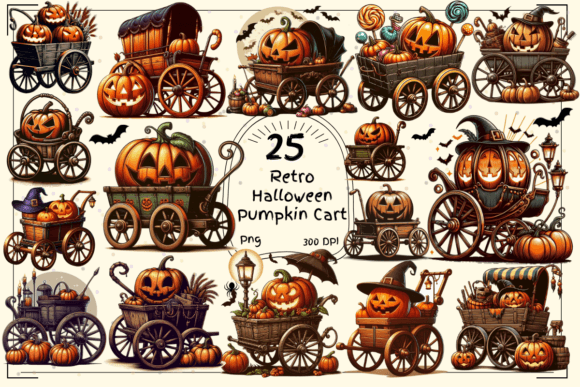
There's a particular kind of magic in vintage Halloween imagery—the kind that feels handcrafted, warm, and full of story. In a digital landscape saturated with slick, vector-based graphics, the Retro Halloween Pumpkin Cart Clipart collection offers a deliberate and refreshing step back in time. This isn't just a set of images; it's a toolkit for infusing your projects with authentic, nostalgic character. As a designer or creator, you know that the right asset can transform a good idea into a resonant, memorable experience. This collection of 25 unique illustrations is built for exactly that purpose.
The Visual Personality: More Than Just Clipart
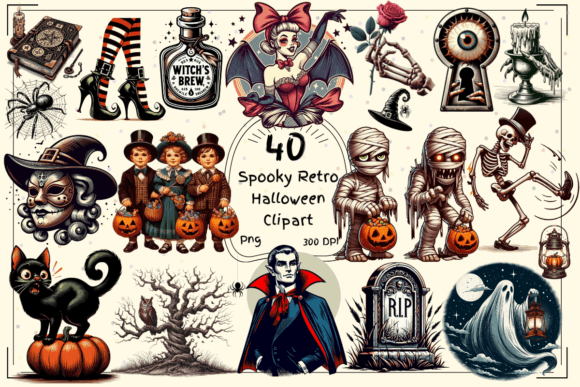
Forget the generic, cookie-cutter pumpkins. Each piece in this set carries the weight of a hand-drawn illustration. You'll notice the subtle imperfections in the line work, the textured shading that mimics aged paper or woodcut prints, and a color palette that leans into the muted, earthy tones of autumn—burnt oranges, deep browns, and creamy off-whites. The pumpkin carts themselves are characters: some are sturdy farm wagons overflowing with harvest bounty, others are whimsical, slightly crooked conveyances perfect for a ghostly driver. The overall style straddles the line between mid-century illustration and rustic folk art. It's a creative font for the eyes, establishing a mood that is both playful and deeply nostalgic.
This retro aesthetic isn't about being old-fashioned; it's about leveraging a visual language that audiences instinctively connect with on an emotional level. It communicates warmth, tradition, and a handcrafted quality that modern, sterile graphics often lack. The transparent background PNG format is a practical detail that speaks to its usability, allowing for seamless integration into layered designs without cumbersome removal processes.
Practical Applications: Where This Style Truly Shines
The real value of a design asset lies in its versatility. This Retro Halloween Pumpkin Cart Clipart collection is a workhorse for numerous projects across both digital and print realms. Let's break down where it excels.
For Branding and Marketing
Small business owners, especially those in artisanal food, craft goods, or boutique retail, can use these illustrations to build a cohesive brand identity for the fall season. Imagine them on:
- Packaging design: A pumpkin cart on a coffee bag label or a jam jar instantly suggests harvest season and homemade quality.
- Social media graphics: Use them as central motifs in Instagram posts, Facebook banners, or Pinterest pins to create a unified, thematic campaign that stands out in the feed.
- Email marketing: A well-placed clipart element in a newsletter header can significantly boost seasonal engagement and click-through rates.
- Website design: Subtle use as background elements, section dividers, or featured images can enhance the user experience during the Halloween period without overwhelming the core content.
For Publishing and Editorial Projects
Bloggers, newsletter creators, and indie publishers will find this set invaluable. It provides a ready-made visual hierarchy for articles about Halloween history, DIY decor ideas, or vintage party planning. The consistent style across all 25 pieces ensures your editorial design remains professional and visually coherent, strengthening your publication's recognition. It's a far more distinctive choice than stock photography.
For Events and Personal Creations
This is where the "homemade adornments" aspect comes alive. The clipart is perfectly suited for:
- Party invitations and stationery: Create a unified suite of invites, menus, and thank-you cards with a charming, vintage flair.
- Digital scrapbooking and crafts: Crafters and hobbyists can use them to design custom stickers, planner inserts, or digital journal elements.
- Physical decorations: Print them out for banners, table centerpieces, or framed art that sets a specific, nostalgic Halloween scene.
Design Considerations and Strategic Use
Integrating a strong stylistic element like this requires thoughtful execution. Here’s how to ensure it enhances rather than clashes with your project.
Evaluate the Fit: This style communicates "traditional Halloween." If your brand or project is ultra-modern, minimalist, or horror-focused, it may create a disconnect. It works best where a touch of warmth, nostalgia, or whimsy is desired. Always consider your audience engagement goals.
Font Pairing is Critical: The clipart itself has a strong visual voice. Pair it with typography that complements without competing. A sturdy, clean sans serif font for body text can provide excellent contrast and readability. For headlines, a serif font with some classic weight or a tasteful script font can echo the vintage feel. Avoid overly ornate or trendy display fonts that might clash with the handcrafted vibe of the illustrations.
Maintain Professionalism: While the style is nostalgic, your application of it shouldn't look amateurish. Use the high-resolution, 300 DPI files to ensure crisp prints. Leverage the transparency to create clean layouts. The "AI precision, human touch" note in the product description suggests a balance of scalability and authentic detail—a key factor for premium design assets.
Commercial Licensing: The description doesn't explicitly state commercial terms, which is a common oversight. Before using these in a product for sale or a major client campaign, it's your responsibility to verify the license. Most reputable clipart sellers offer clear commercial use licenses, but always check. This is a non-negotiable part of professional practice.
A Final Thought on Authenticity
In an age of digital perfection, there's growing audience appreciation for the imperfect, the handmade, and the storied. This Retro Halloween Pumpkin Cart Clipart collection taps directly into that sentiment. It's not just decoration; it's a storytelling device. By choosing to use it, you're making a deliberate choice to connect with a richer, more textured version of the Halloween tradition. You're adding a layer of brand perception that values heritage and charm. So, as you plan your next seasonal project, consider what a bit of vintage character could do. It might just be the element that makes your work feel truly memorable.