Enchanting Design Assets: Mushroom Library Cards Vol.8
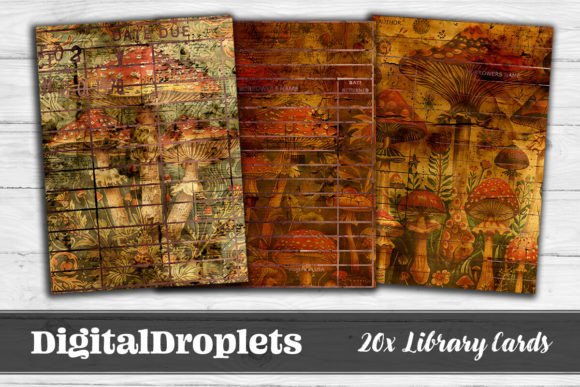
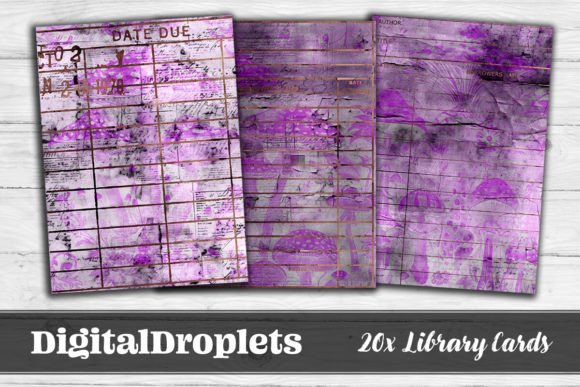
There is a specific kind of magic found in the intersection of vintage nostalgia and botanical illustration, a space where the tactile feel of history meets the organic beauty of nature. For designers and creators looking to capture this atmosphere, the Mushroom Library Cards Vol.8 collection offers a distinct solution. This set is not merely a collection of digital files; it is a curated suite of 20 high-resolution PNG design assets, each featuring intricate mushroom patterns artfully overlaid onto classic library cards. These cards serve as versatile creative font alternatives for texture and layout, providing an immediate sense of storytelling for any project.
The Aesthetic Personality of the Collection
The visual language of Mushroom Library Cards Vol.8 is deeply rooted in the "cottagecore" and dark academia aesthetics that continue to influence modern brand identity and editorial design. Visually, the cards balance the structured, linear nature of the library ledger—complete with date stamps and card pockets—with the wild, organic forms of mycology. The personality of this set is whimsical yet sophisticated. It avoids the trap of looking overly childish, instead leaning into a vintage, earthy charm that appeals to adults ranging from 20 to 50.
Unlike a standard serif font or sans serif font, which conveys meaning through letterforms, these library cards convey meaning through texture and context. The "typography" here is implied; the cards suggest a narrative of forgotten books and nature reclaiming the library. This makes them excellent design assets for projects that require a premium font aesthetic without relying solely on text. They work exceptionally well as background layers, journaling cards, or focal points in collages, adding depth that a standard script font or handwritten font cannot provide on its own.
Practical Applications for Creative Professionals
Understanding where to deploy Mushroom Library Cards Vol.8 is key to maximizing their impact. Because the files are provided as 300dpi PNGs, they are resolution-independent, meaning they perform beautifully in both digital and print environments.
Scrapbooking and Junk Journaling: For the hobbyist or professional memory keeper, these cards are instant focal points. They serve as perfect "tuck spots" or layering elements. When paired with a delicate script font for journaling, the library cards ground the page, providing a structured backdrop for handwritten notes.
Digital Marketing and Social Media: In the realm of social media graphics, stopping the scroll is paramount. Using these cards as frames for quotes or announcements breaks the monotony of standard geometric layouts. A content creator can overlay a bold display font on top of a library card to create a striking Instagram post that feels curated and artistic rather than generic.
Packaging and Product Design: For small business owners in the botanical, tea, or stationery industries, these assets add immediate shelf appeal. Imagine a hang-tag for a candle or a label for artisanal soap featuring a cropped section of a mushroom library card. It elevates the product from a simple commodity to a piece of modern typography art.
Integrating with Modern Typography
The true strength of these assets lies in how they interact with type. While they are not a traditional typeface, they dictate the typographic choices around them. Because the mushroom illustrations are detailed, they pair best with cleaner fonts. A geometric sans serif font offers a pleasing contrast to the organic lines of the mushrooms, creating a balanced visual hierarchy. Conversely, pairing them with a distressed serif font can amplify the vintage feel, perfect for logo design for a local bookshop or botanical garden.
Strategic Design and Brand Consistency
When incorporating Mushroom Library Cards Vol.8 into a commercial project, it is vital to consider the broader context of the brand identity. These assets carry a strong emotional weight—they evoke curiosity, nature, and history. If your brand voice is hyper-modern, minimalist, or corporate, these cards might feel dissonant. However, for brands positioning themselves as artisanal, eco-conscious, or story-driven, these cards are a goldmine.
Consistency is crucial. If you use one card from the set in a hero image for a website, consider using elements from the same set in your email headers or PDF guides. This creates a cohesive ecosystem. For example, a blogger writing about herbalism could use the library cards as sidebar widgets or "pin it" graphics, reinforcing their niche authority through consistent visual cues.
Evaluating Project Fit and Readability
Before finalizing a design, always test the readability of your text over the card. While the cards are designed to be backgrounds, busy mushroom patterns can sometimes clash with intricate handwritten fonts. If you are placing text directly on the card, ensure there is enough contrast. You might need to add a slight shadow or a semi-transparent overlay to ensure your message isn't lost in the artwork.
Furthermore, consider the scale. In web design, a full-width library card might look stunning, but on a mobile screen, the details of the mushroom might become muddy. Cropping in on specific details of the cards can create new, abstract textures that work better for smaller formats.
Final Thoughts on Asset Utilization
The Mushroom Library Cards Vol.8 set is a robust addition to any designer's toolkit, bridging the gap between illustration and layout design. They offer a practical way to introduce complexity and warmth into projects ranging from packaging design to digital content. By treating these cards not just as images but as foundational design elements, you can create work that feels both professional and deeply personal. Whether you are building a brand identity for a new startup or crafting a personal scrapbook, this collection provides the versatility and quality needed to bring a vision to life.